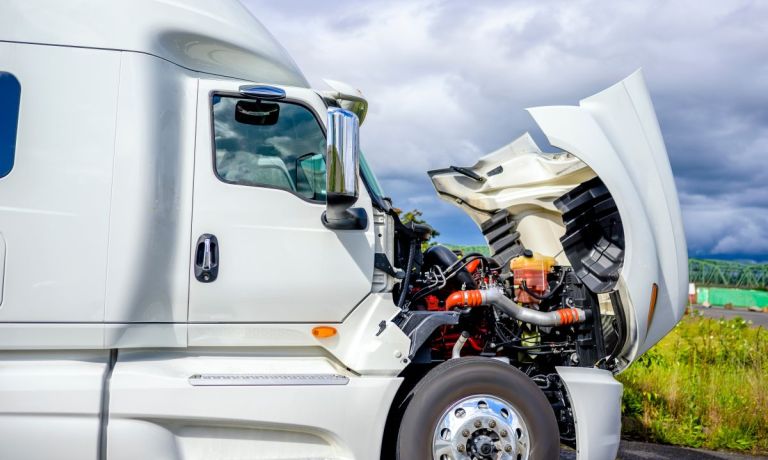
When a truck breaks down on the highway, the repair bill is the smallest part of the problem. The delivery is late, the driver is stranded, the tow costs more than the fix and the customer is calling.
The American Transportation Research Institute puts the industrywide toll at more than $25 billion annually in lost productivity. A single roadside breakdown runs between $450 and $760 in direct repair costs before towing, rental replacements and missed revenue enter the equation. Fleet operators have long treated those losses as a fixed cost of doing business.
Artificial intelligence-driven predictive maintenance is starting to rewrite that calculus.
Turning Sensor Data Into Early Warnings
Commercial trucks are already generating enormous amounts of data. A typical heavy-duty vehicle produces more than 25,000 data points daily from onboard sensors tracking engine temperature, oil pressure, brake wear and fuel consumption. Historically, most of that data sat unused inside disconnected maintenance systems. Fleet managers learned about problems when trucks stopped moving, not before.
AI changes the model. Machine learning systems ingest real-time sensor readings alongside historical repair records, then identify the combinations of signals that tend to precede specific failures, often weeks before a breakdown occurs. The output isn’t raw data but a specific recommendation: a particular vehicle, a particular component, a service window that fits the route schedule. Repairs shift from roadside emergencies to planned shop visits.
McKinsey estimated that AI-driven predictive maintenance could reduce maintenance costs by 10% to 40% and cut downtime by up to 50%.
Advertisement: Scroll to Continue
OEMs and Operators Move In
Volvo Trucks North America unveiled AI-powered adaptive maintenance as part of its Blue Service Contract in October 2024, replacing fixed service schedules with intervals that adjust dynamically based on how each truck is actually being used: fuel consumption, idle time and oil condition.
Magnus Gustafson, vice president of connected services at Volvo Trucks North America, said many fleets are over-maintaining their trucks, driving unnecessary cost. “Applying AI to optimize maintenance intervals based on truck specs, operating conditions and actual use ensures our customers can maximize uptime,” Gustafson said.
Volvo’s Uptime Center in Greensboro, North Carolina, monitors nearly 85,000 connected trucks across Europe, with specialists reviewing AI-generated alerts and coordinating service visits before breakdowns occur. Volvo and Mack Trucks have developed connected systems that cut the time needed to diagnose a breakdown by 70% and reduce repair time by 25%.
The shift is hitting fleet operators at a difficult moment. ATRI’s 2025 operational costs report found that non-fuel operating expenses rose 3.6% in 2024 to the highest level ever recorded, with average operating margins below 2% across most trucking sectors. Parts and labor costs are up more than 10% year over year, Fleetio fleet ecosystem strategist Stefano Daneri told PYMNTS. Fleets holding onto vehicles longer to avoid replacement costs are absorbing a growing hidden cost in the process: more downtime.
Capital and Adoption Follow
Fleet and mobility firms are directing working capital toward the technology. A PYMNTS Intelligence study found that 89% of fleet firms used at least one external working capital solution in 2024, with strategic deployment increasingly directed toward digital fleet management platforms and AI-based tools. Top performers realized an average of $15.6 million in bottom-line benefits.
The main constraint on broader adoption is data infrastructure. Many carriers still run disconnected legacy systems that prevent AI models from accessing the full maintenance history they need to make accurate predictions.
ATRI reported that the average miles traveled between breakdowns increased from 37,700 to 38,249 in 2024, crediting preventive maintenance practices as a key factor. Whether AI systems can push that number further will depend on how fast fleets close the data gap.
For all PYMNTS AI coverage, subscribe to the daily AI Newsletter.