To find out, the grocer built an artificial intelligence tool that uses computer vision and Google’s Gemini models to grade fresh produce inside its distribution centers, replacing the inspector-by-inspector judgments that have long determined what clears the quality threshold.
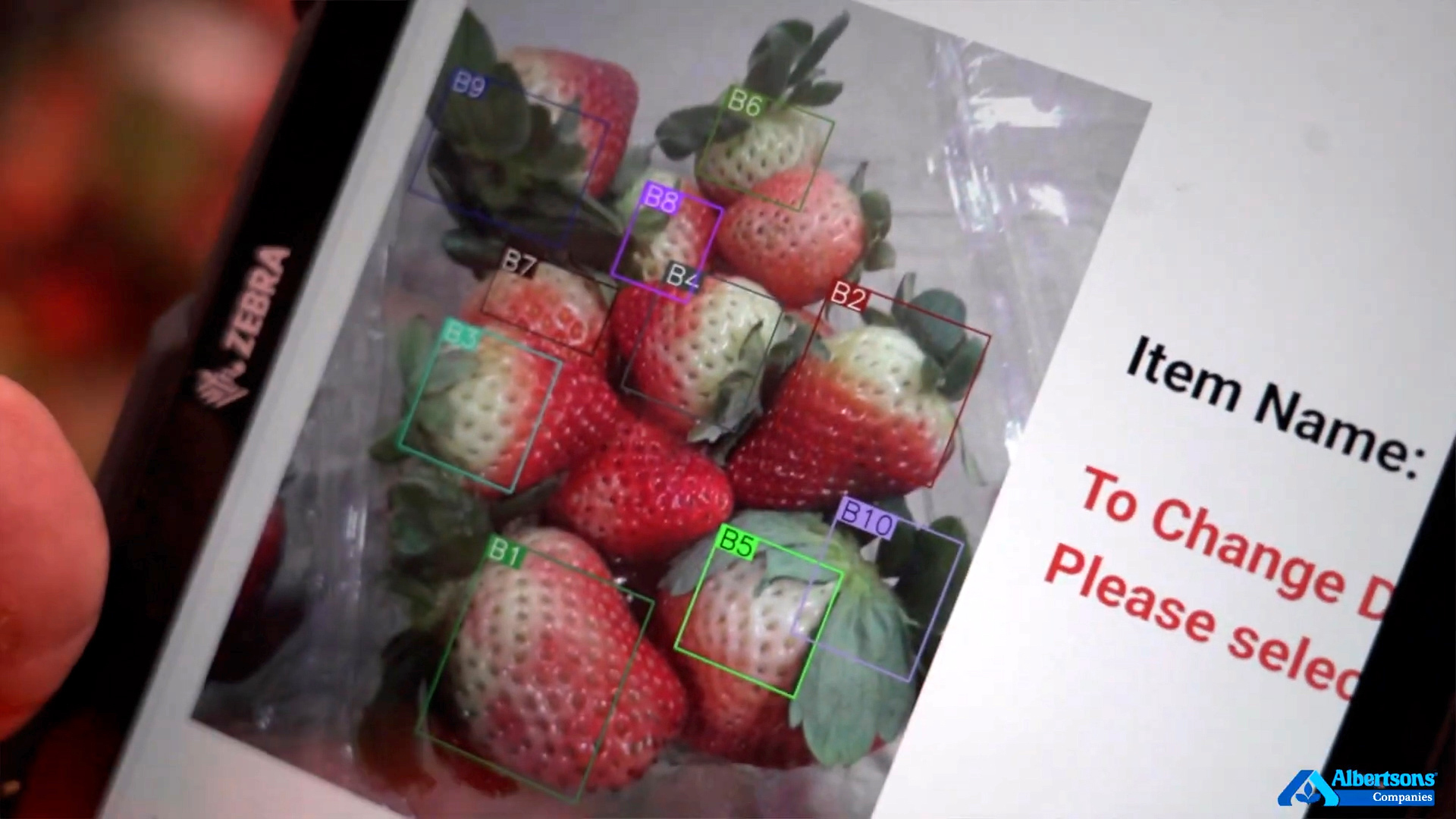 The tool, called Intelligent Quality Control, launched in select Albertsons distribution centers this month. A quality inspector feeds an image of the produce into the tool, which evaluates visual characteristics against Albertsons’ internal grading standards and returns a rating and recommendation, according to a Wednesday (May 13) press release. The inspector makes the final call. It’s live now for strawberries and red and green grapes, with the full berry section next in line and a nationwide rollout planned.
The Inconsistency Problem
Produce quality inspection has always been a human problem with a human-shaped flaw. The same item might grade differently depending on the inspector, the shift, the warehouse or the hour. Across a network like Albertsons’ 22 distribution centers and 2,244 stores, small inconsistencies can compound.
Produce accounts for the largest share of surplus food generated by retailers in the United States, at 33.1% of the roughly 4 million tons that went unsold in 2024, ReFED reported. That’s not all traceable to grading decisions, but those decisions sit at the front of every freshness outcome that follows.
Albertsons Executive Vice President and Chief Supply Officer Evan Rainwater said in the release that early results showed the tool had reduced variability in quality ratings. The company didn’t release specific figures but said the system produces faster decisions and captures more granular quality data per inspection than the manual process allowed.
Advertisement: Scroll to Continue
“This is just the latest advancement in how we are using AI within our multibillion-dollar supply chain to improve operational efficiencies, improve product quality, and ultimately enhance customer satisfaction,” Rainwater said in the release.
Standardizing the Eye
The case for computer vision here isn’t about replacing inspectors. It’s about giving them a consistent baseline. The AI applies the same visual criteria to every piece of fruit that moves through the system. Inspectors still approve the final rating.
The AI in food safety and quality control market was valued at $2.7 billion in 2024 and is expected to reach $13.7 billion by 2029, at a compound annual growth rate of 30.9%, according to BCC Research. Most deployments in that market run on manufacturing and processing lines. Albertsons built its tool in-house, positioned it at the distribution center level, and designed it around its own proprietary grading standards rather than a generic quality model.
That distinction matters for how the system performs. Generic visual inspection tools can identify obvious defects. A tool trained on a retailer’s internal standards grades against the same criteria the chain uses to make buying and markdown decisions, keeping the inspection layer consistent with the commercial layer.
Where the Data Goes Next
The system captures granular quality measures per inspection, building a data layer that didn’t exist when inspectors logged grades manually. That record can show how produce quality varies by supplier, origin or other variables. Consistent grading is what makes that analysis usable.
The Intelligent Quality Control tool is the latest product of Albertsons’ partnership with Google Cloud. In 2025, Albertsons was among the first grocers to launch Google Cloud’s Conversational Commerce agent as a customer-facing shopping assistant. The supply chain tool follows that deployment with AI applied to the distribution layer.
Albertsons plans to expand the system across more fresh products, the release said.
For all PYMNTS AI coverage, subscribe to the daily AI Newsletter.