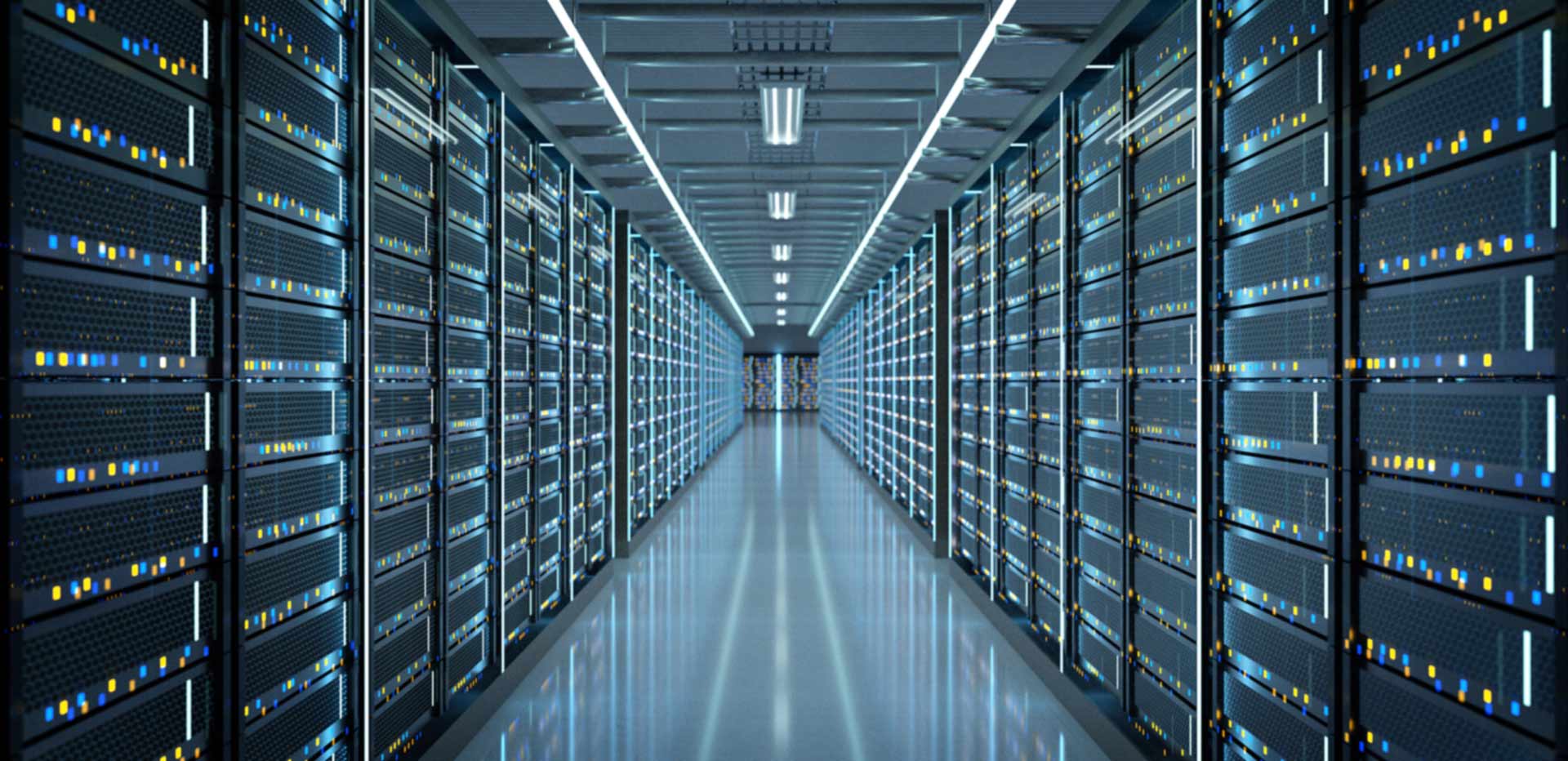
A broad coalition of environmental, labor and community organizations in New Jersey is adding fuel to the growing national backlash against artificial intelligence-driven data center expansion.
In a May 13 letter to Gov. Mikie Sherrill signed by more than 60 organizations, the groups called for a statewide moratorium on any new data center project using at least 20 megawatts of electricity, arguing that the rapid expansion of AI infrastructure threatens to overwhelm the state’s electric grid, increase utility costs, strain water resources and undermine New Jersey’s climate goals.
The push reflects a broader wave of local and state resistance to the national data center boom, as communities across the country increasingly challenge the environmental and economic costs associated with the massive facilities. According to an NJ.com report, at least 14 states are now considering moratoriums or restrictions tied to data center growth, though none have yet become law.
“A moratorium is also needed to protect the environment and the health and well-being of New Jersey residents,” the letter said. The organizations warned that unchecked expansion could cause “irreversible harm” to communities if projects continue moving forward without comprehensive oversight.
The coalition’s argument centers heavily on energy demand. The letter notes that a 20-megawatt data center consumes “as much electricity as all the homes in Montclair,” while accusing state officials of doing too little “to stop the unchecked growth of data centers with the concomitant increase in electric rates they will bring.”
The groups tied their concerns directly to Executive Orders issued earlier this year by Sherrill recognizing what the letter described as “the ongoing electricity affordability crisis in New Jersey.” According to the coalition, the governor’s own orders identified surging demand from data centers as “a significant driver” of rising electricity costs.
Read more: California’s Settlement With GM Signals Closer Scrutiny of Data Sales
The coalition cited estimates from utility PSE&G projecting data center-related electricity demand could grow from 785 megawatts to 3,084 megawatts over five years, potentially increasing New Jersey greenhouse gas emissions by 13 million metric tons — roughly 19% of the state’s 2030 reduction target.
Water consumption has become another major flashpoint. The letter warned that large-scale data centers “use enormous amounts of water,” create risks from PFAS contamination, generate “air and noise pollution,” and threaten the state’s statutory climate mandates. The groups noted New Jersey has experienced prolonged drought conditions since late 2024 and warned that AI facilities could significantly reduce water availability for agriculture, housing and redevelopment projects.
Opposition has already begun reshaping local policy. According to NJ.com, Monroe Township in Gloucester County and Andover Township in Sussex County have passed local bans or restrictions after residents protested zoning changes they believed could pave the way for large-scale data center projects.
In Vineland, where one of the East Coast’s largest AI-focused data centers is under construction, residents have complained about “a constant humming noise” from the project that they say has disrupted sleep and quality of life. The 2.6 million-square-foot facility is expected to provide AI computing power to Microsoft under a reported $17 billion agreement.
Industry advocates continue pushing back on criticism, arguing data centers provide essential infrastructure and major economic benefits. The Data Center Coalition said the industry supported more than 96,000 jobs and contributed over $17 billion to New Jersey’s economy in 2023.
“Data centers are the essential digital infrastructure behind every online purchase, telehealth appointment, online news article, and digital classroom,” Khara Boender, the coalition’s director of state policy, told NJ.com.
At the same time, New Jersey continues aggressively courting AI investment. NJ.com noted that former Gov. Phil Murphy established a tax incentive program in 2024 aimed specifically at AI projects and data centers, with cloud infrastructure company CoreWeave receiving $250 million in tax credits last year.
The coalition argues that contradiction between the previous and current administrations underscores the need for immediate state intervention.
“Taking a measured pause now will help ensure that decisions made today do not create irreversible harm tomorrow,” the groups wrote.